

Reflections from the ADB Regional Workshop in Yunnan Province
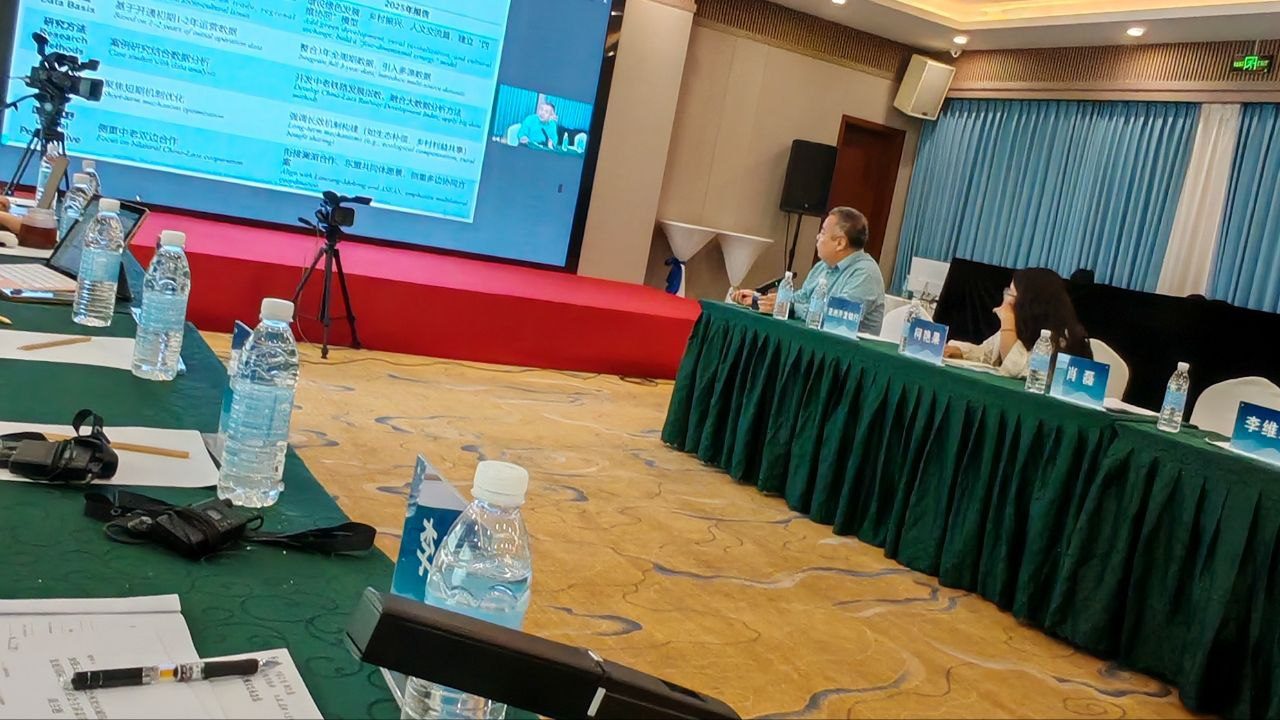
From 25 to 26 June 2025, I had the opportunity to participate in the “Enhancing the Sustainable Cooperation of Yunnan with the Greater Mekong Subregion” regional workshop held in Xishuangbanna, Yunnan Province, under ADB’s Technical Assistance (TA6660-PRC). This workshop supports policy research and capacity building in Yunnan Province and aligns with both the PRC’s 14th Five-Year Plan and the Greater Mekong Subregion (GMS) Economic Cooperation Program.
The event served as a platform for knowledge exchange, joint initiative development, and the application of best practices in regional cooperation. Key themes included economic corridor development, free trade zones, trade finance, ESG integration, phytosanitary measures, and customs transit. It brought together research experts from China and other GMS countries to explore practical frameworks and tools for enhancing cross-border trade and economic corridor performance of the region.
I had the opportunity to contribute insights on the ASEAN Customs Transit System (ACTS) and present Cambodia’s experience with its implementation. My presentation began with a regional overview of ACTS, including its institutional architecture and alignment with ASEAN trade facilitation objectives. I then outlined Cambodia’s implementation milestones, from legal and regulatory alignment to system deployment and pilot testing and launching, as well as the country’s continuous coordination efforts with Thailand and Viet Nam.
I also addressed the challenges Cambodia faces in scaling ACTS, notably the limited uptake among traders, constraints in bank guarantee mechanisms, and the ongoing need for capacity building across customs and private sector stakeholders. I also highlighted the vulnerability of trade flows to border tensions and closures, as recently observed along the Thailand–Cambodia border. Given the ongoing complexity of territorial disputes, such disruptions could become recurring challenges and undermine the effectiveness and continuity of digitized systems like ACTS, which are designed to enable seamless, paperless transit. The fragility of regional coordination in times of political strain reinforces the urgent need for institutional trust, interoperable systems, and contingency protocols to ensure uninterrupted cross-border trade.
While ACTS currently operates only within mainland ASEAN, I proposed a forward-looking perspective on the potential for linking ACTS with China, whether under the GMS framework or through bilateral arrangements. Such linkage would significantly strengthen regional trade connectivity and corridor efficiency. For this to happen, I emphasized the importance of legal and policy harmonization, technical interoperability, institutional cooperation, and joint customs training. This perspective reflects a broader ambition to ensure ACTS evolves in line with regional integration goals and digital trade transformation across the GMS.
Other workshop highlights from other presentations
1. China–Laos Railway: Chinese colleagues presented the strategic significance of the China–Laos Railway within the BRI and GMS frameworks. The railway’s role in enhancing multimodal connectivity, supply chain integration, and regional economic corridor development was emphasized. A professor from Laos provided a localized perspective on the railway’s tangible impacts on trade flows, border logistics, and development in northern Laos. While some risks and implementation challenges were acknowledged, the railway was widely viewed as a transformative project, and participants expressed optimism about its long-term impact.
In a related setting, colleagues from Cambodia and Viet Nam shared national experiences in corridor development and regional cooperation. Viet Nam emphasized border coordination and logistics planning, while Cambodia outlined institutional reforms supporting cross-border facilitation.
2. Environmental, Social, and Governance (ESG) and Trade Finance in Regional Cooperation: The sharing sessions focused on the growing importance of ESG principles in regional transport and infrastructure planning. Experts highlighted approaches to greening trade, improving social inclusiveness, and strengthening governance frameworks. Participants explored how ESG indicators can be used in corridor planning and project implementation across the GMS. Presentations on trade finance addressed access barriers for SMEs and emphasized the need for financial innovation and regulatory harmonization. Digital finance platforms, cross-border financial cooperation, and capacity building for local banks were identified as key enablers of a more inclusive trade environment.
3. ADB’s Corridor Monitoring Tools: ADB experts presented the Corridor Performance Measurement and Monitoring (CPMM) mechanism and related tools to assess cross-border trade efficiency. These tools provide vital data on delays, transport costs, and bottlenecks, enabling countries to make evidence-based policy and investment decisions. The session offered practical insights into how data can be applied to improve corridor performance.
My key takeaway and recommendations
Building on the insights shared during the workshop, I offered the following key takeaways and recommendations, with the hope that they will help inform ADB’s ongoing and future technical assistance efforts in the GMS region.
- Multimodal transport systems like the China–Laos Railway and digital tools such as customs transit systems are mutually reinforcing elements for deepening GMS integration. Coordinated policy and technical design will be essential to fully achieve this potential, an area where sustained technical expertise will be critical.
- Key constraints such as fragmented institutional mandates, lack of legal harmonization, and uneven technical capacity continue to hinder trade facilitation efforts. ADB could play a catalytic role in designing and supporting targeted capacity building, legal advisory, and multi-agency coordination mechanisms.
- Data-based monitoring tools like CPMM are increasingly valuable in guiding policy and investment decisions along trade corridors. ADB could further promote their use through customized training, national integration strategies, and data utilization workshops.
- ESG principles need to be integrated into corridor planning and implementation. ADB is a good facilitator in this regard and is well-placed to lead cross-country knowledge exchanges, joint research, and regional dialogue on ESG integration in regional trade and transport policies.
- Promote access to trade finance across the GMS by supporting the design of cross-border financial instruments that benefit SMEs engaged in regional trade and fostering collaboration among banks, fintech platforms, and regulators to improve digital trade finance solutions.
Conclusion
This workshop reinforced the vital importance of regional coordination, digital transformation, and sustainable development in advancing trade facilitation and connectivity across the GMS. I look forward to future opportunities to support ADB’s work and to collaborate with regional partners in these critical areas.
If you are working on trade facilitation or regional connectivity projects and would like to collaborate, feel free to contact me!